Priority Program • Advanced BPH

BPH Treatment and HoLEP in the Houston Area

Advanced BPH treatment individualized to the patient, not simply the size of the prostate.

Enlarged Prostate & Voiding Problems

Benign prostatic hyperplasia can cause weak stream, straining, frequency, night-time urination, incomplete emptying, and eventually urinary retention. These symptoms affect sleep, work, travel, exercise, and confidence, and the goal of treatment is to restore both function and everyday quality of life.

Care begins with understanding your symptoms, what has already been tried, and what matters most to you. From there, treatment may range from observation and lifestyle changes to medication, minimally invasive endoscopic treatment, or laser enucleation.

Experience & Approach

  • Established an academic HoLEP service and training program
  • 250+ HoLEP procedures performed
  • Experience with large and complex prostates
  • Medical and procedural options reviewed together

The goal is not to promote one procedure for every patient. Treatment is selected according to prostate anatomy, symptom severity, urinary function, medical history, goals, and patient preference.

Read the HoLEP patient guide

Treatment Options

From Medication to Laser Enucleation

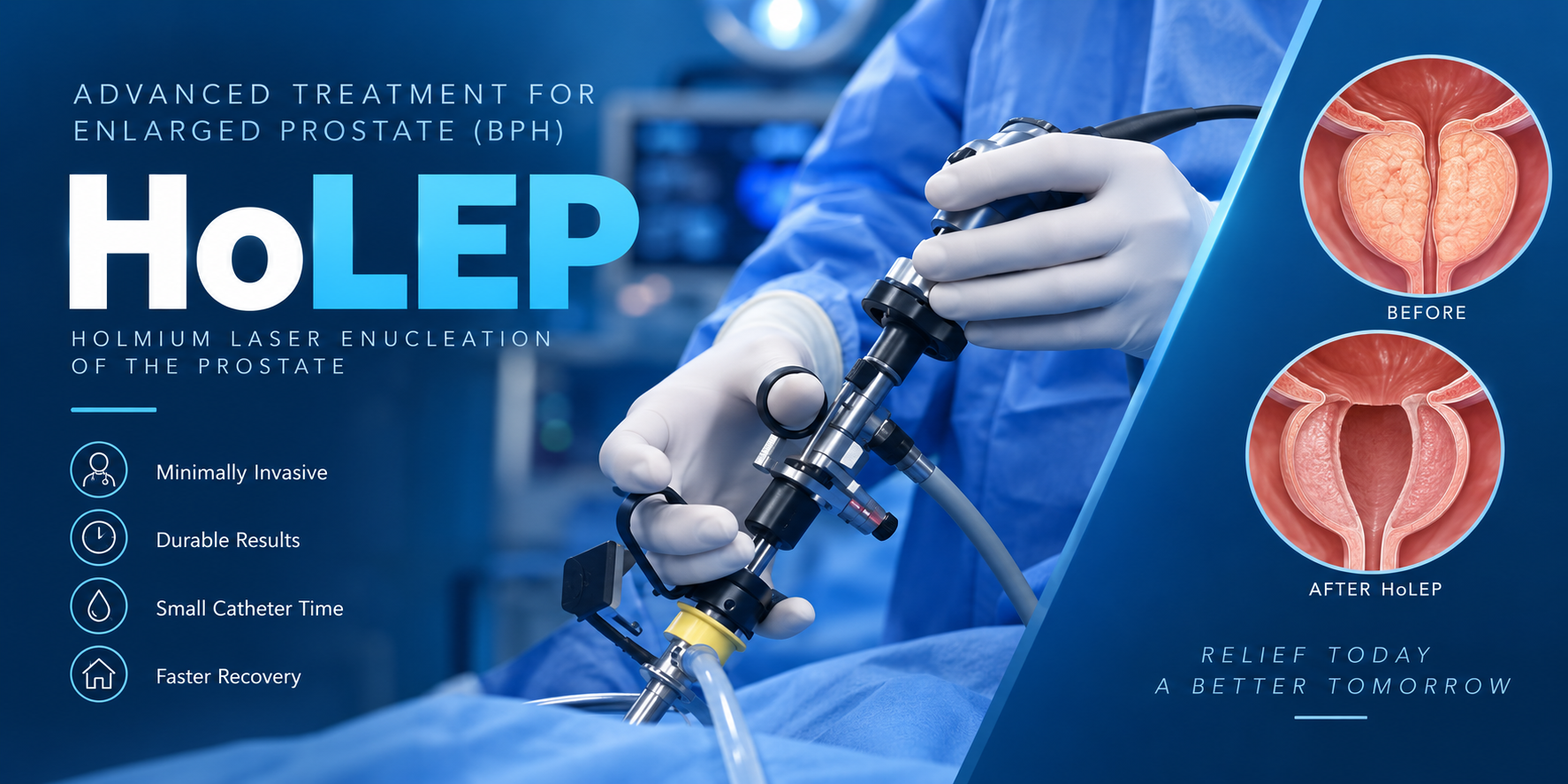
HoLEPHolmium Laser Enucleation of the Prostate

HoLEP

A size-independent, tissue-removing laser treatment for the enlarged prostate. HoLEP is well suited to large glands, patients in urinary retention, and men who want a durable result.

  • 250+ HoLEP procedures performed
  • Effective for very large and complex prostates
  • Tissue is sent for pathology review

Frequently Asked Questions

Is HoLEP right for every enlarged prostate?+

HoLEP is an excellent, guideline-recommended option for enlarged prostates of any size. It is size-independent, meaning it can be performed whether the prostate is small or very large, and it is often the best choice for very large prostates. HoLEP is performed without any incision, through the urine channel (urethra), usually with one overnight stay and a catheter for one to two days, and it can be performed safely even for patients on blood thinners. That said, the right treatment still depends on your anatomy, symptoms, bladder function, medical history, and goals, which is why options from medication to GreenLight to HoLEP are reviewed together before recommending any procedure.

My prostate is very large, am I still a candidate?+

Usually yes. HoLEP is size-independent, which is why it is often recommended for very large glands that previously required open surgery. Dr. Farhan established the HoLEP program at UTMB and routinely treats large and complex prostates.

I have a catheter because of urinary retention. Can that be reversed?+

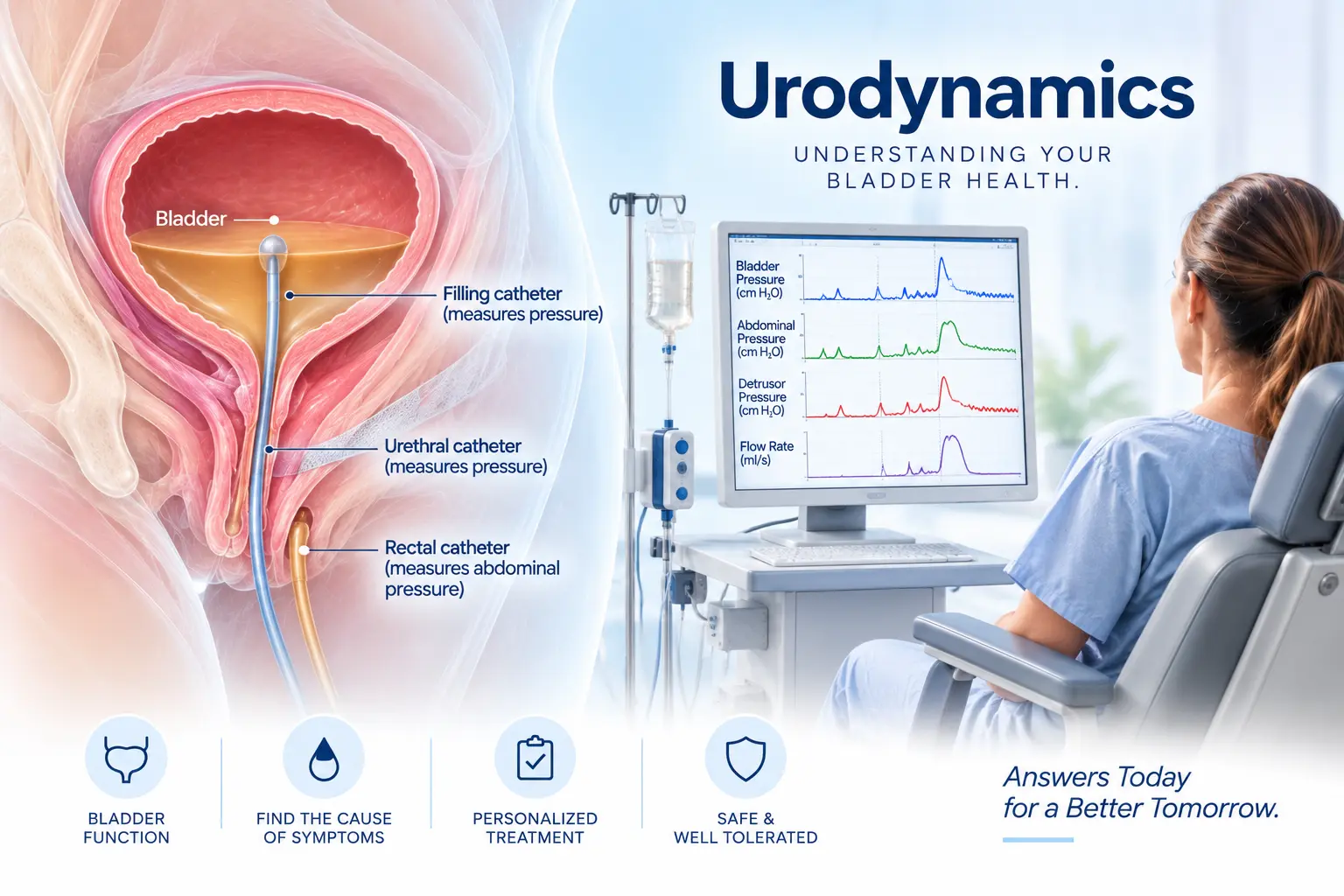
Many men in retention can be evaluated for catheter-free voiding. Assessment includes whether the bladder muscle still contracts effectively, which is why urodynamic testing is sometimes recommended before surgery.

What if medication has already failed?+

Failed medical therapy is one of the most common reasons for referral. It does not mean options are exhausted, it means the next step should be chosen based on objective testing rather than trial and error.

Complex prostate? Get a considered opinion.

Large glands, urinary retention, prior prostate procedures, and failed medication are all welcome reasons for consultation.