Overactive Bladder & Voiding Dysfunction

Voiding Dysfunction

Urgency, frequency, refractory overactive bladder, neurogenic bladder, urinary retention, and complex bladder dysfunction.

A Stepwise, Individualized Approach

Treatment may range from behavioral and medical therapy to advanced therapies for refractory symptoms. Objective testing clarifies whether obstruction, bladder dysfunction, or both are responsible before advanced treatment is recommended.

The emphasis is on a stepwise and individualized approach, starting with the least invasive option that can realistically achieve your goals.

Procedures & Treatments

  • Behavioral and medical therapy
  • Bladder Botox
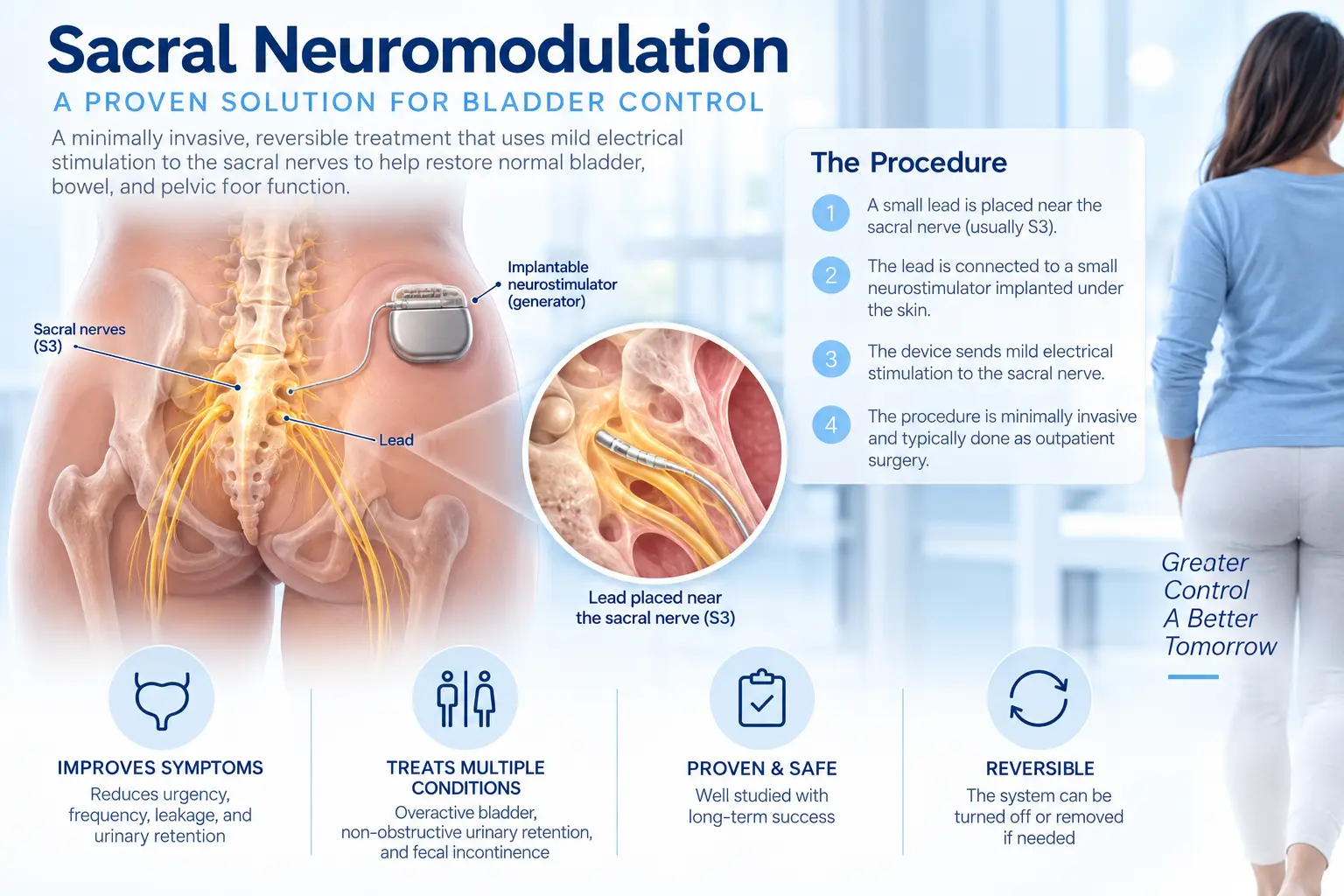
  • Sacral neuromodulation
  • Percutaneous nerve evaluation / neuromodulation trial
  • Urodynamic testing
  • Treatment of complex voiding dysfunction and urinary retention

A diagnosis does not automatically mean surgery. Conservative and non-surgical options are reviewed first whenever they can achieve your goals.

Understanding Voiding Dysfunction

Voiding dysfunction refers to problems with storing or releasing urine. These conditions can result from neurologic disease, pelvic nerve injury, medication side effects, prior surgery, or unknown causes. Dr. Bilal Farhan specializes in diagnosing the underlying cause and offering targeted treatments to restore bladder function.

His fellowship training in functional urology and voiding dysfunction allows him to manage complex cases with urodynamic testing, neuromodulation, Botox, catheter-free solutions, and reconstructive surgery when needed.

Common Symptoms

  • Weak or interrupted urine stream
  • Difficulty starting urination
  • Feeling of incomplete emptying
  • Urinary retention
  • Frequent or urgent urination
  • Urinary leakage
  • Pain with urination
  • Neurogenic bladder
  • Post-void dribbling

Diagnostic & Treatment Options

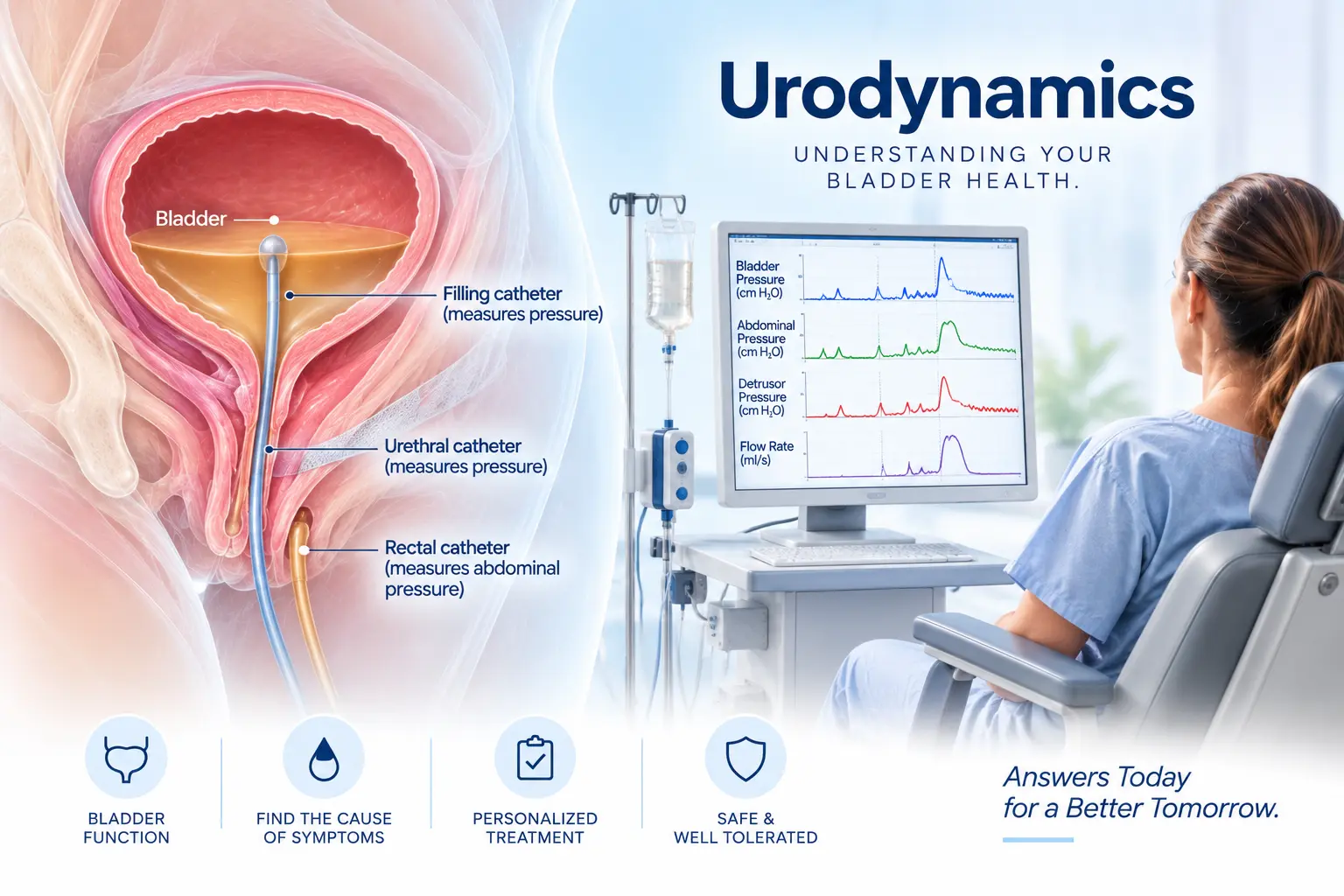
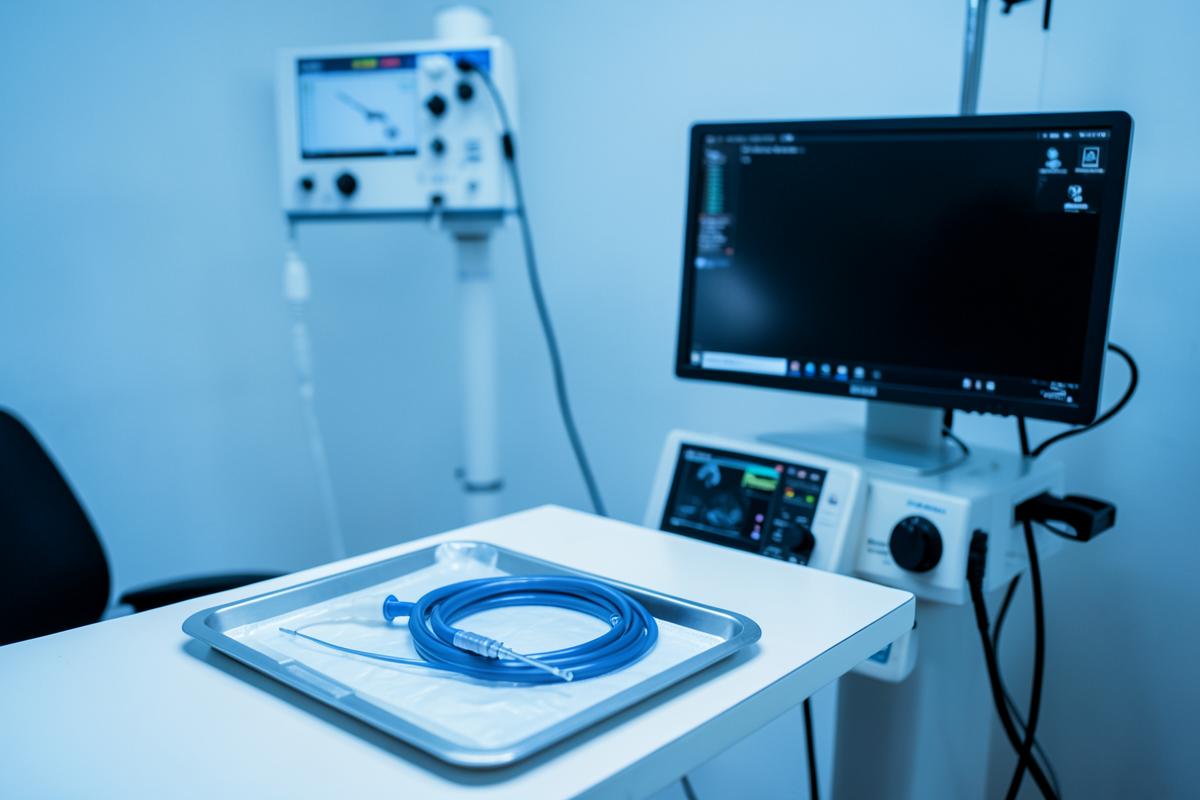
Urodynamic Testing

Comprehensive bladder function studies to pinpoint the cause of symptoms.

Cystoscopy

Minimally invasive bladder and urethra examination for accurate diagnosis.

Sacral Neuromodulation

InterStim and Axonics therapies to restore bladder and bowel control.

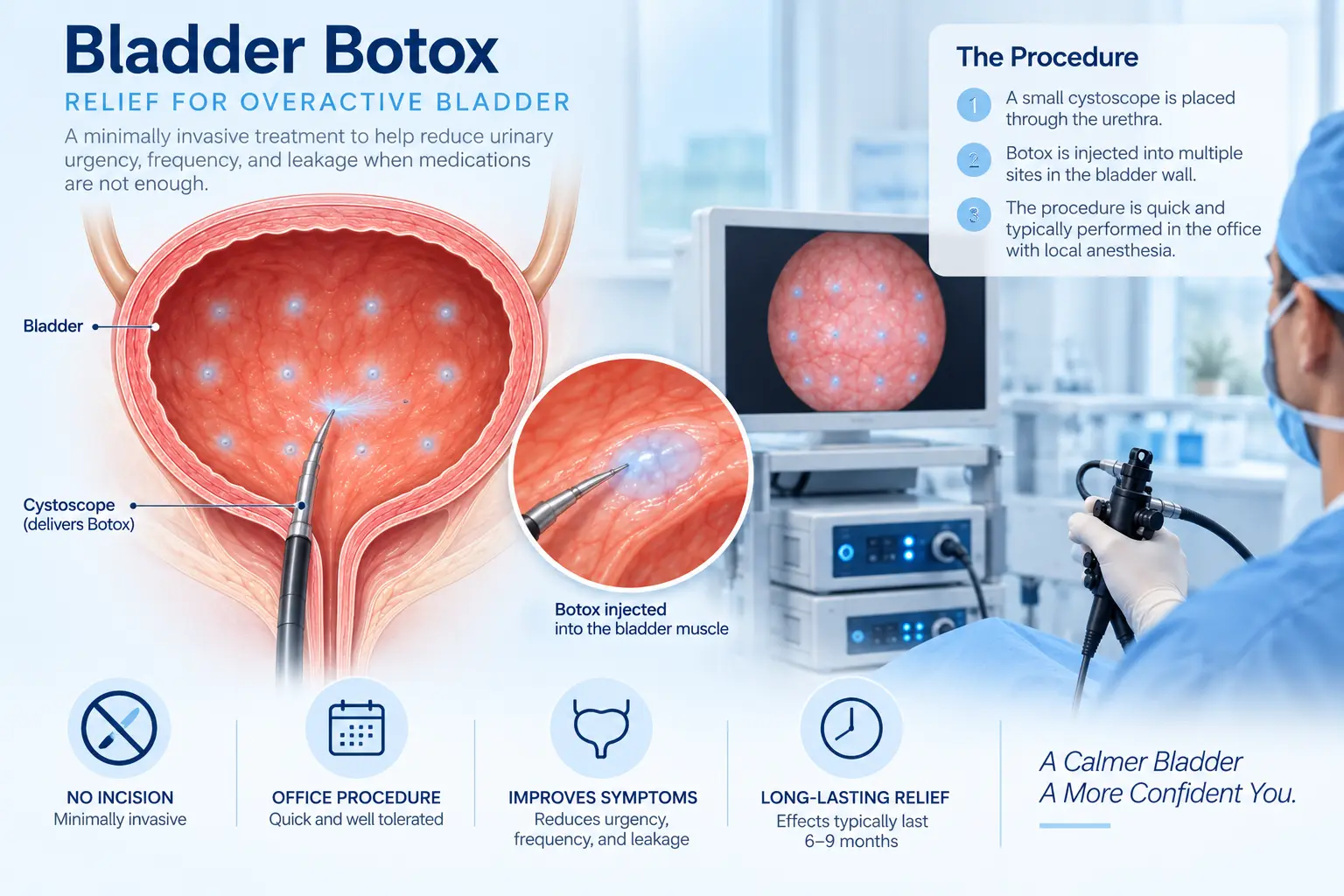
Bladder Botox

Targeted injections to relax an overactive or spastic bladder.

Catheter-Free Solutions

Options to reduce dependence on catheters and improve independence.

Reconstructive Surgery

Surgical options for complex urinary diversion or outlet obstruction.

Procedure Gallery

Diagnostics & Therapies in Motion

Voiding dysfunction is diagnosed with objective testing, not guesswork. Here is the pathway from measurement to targeted therapy.

Urodynamic TestingDiagnostics

Urodynamic Testing

Pressure-flow studies measure how the bladder stores and empties, distinguishing obstruction from underactivity and guiding treatment precisely.

  • Objective pressure and flow data
  • Clarifies neurogenic vs obstructive causes
  • Performed in office in under an hour

Frequently Asked Questions

What causes voiding dysfunction?+

Common causes include neurologic disease such as multiple sclerosis, Parkinson's, or spinal cord injury, pelvic surgery, prostate obstruction, urethral stricture, medications, and pelvic floor dyssynergia.

Do I have to keep using a catheter?+

Not necessarily. Many patients reduce or stop catheterization after neuromodulation, Botox, or surgery to relieve obstruction. Dr. Farhan's goal is the safest catheter-free option available to you.

Is urodynamic testing uncomfortable?+

It involves small catheters and takes about 30-45 minutes. Most patients describe it as mildly uncomfortable rather than painful, and it delivers information no other test provides.

Do you coordinate with neurologists?+

Yes. Neuro-urologic care is collaborative. Dr. Farhan works alongside neurology and rehabilitation teams to protect kidney function while improving daily quality of life.