Female Urology & Pelvic Health

Female Urology

Incontinence, prolapse, mesh-related complications, and complex revision care, with mesh, non-mesh, and non-surgical options discussed openly.

Female Continence, Prolapse & Mesh Complications

Treatment includes surgical and non-surgical approaches individualized according to the type and severity of incontinence, anatomy, previous treatment or surgery, goals, and preferences.

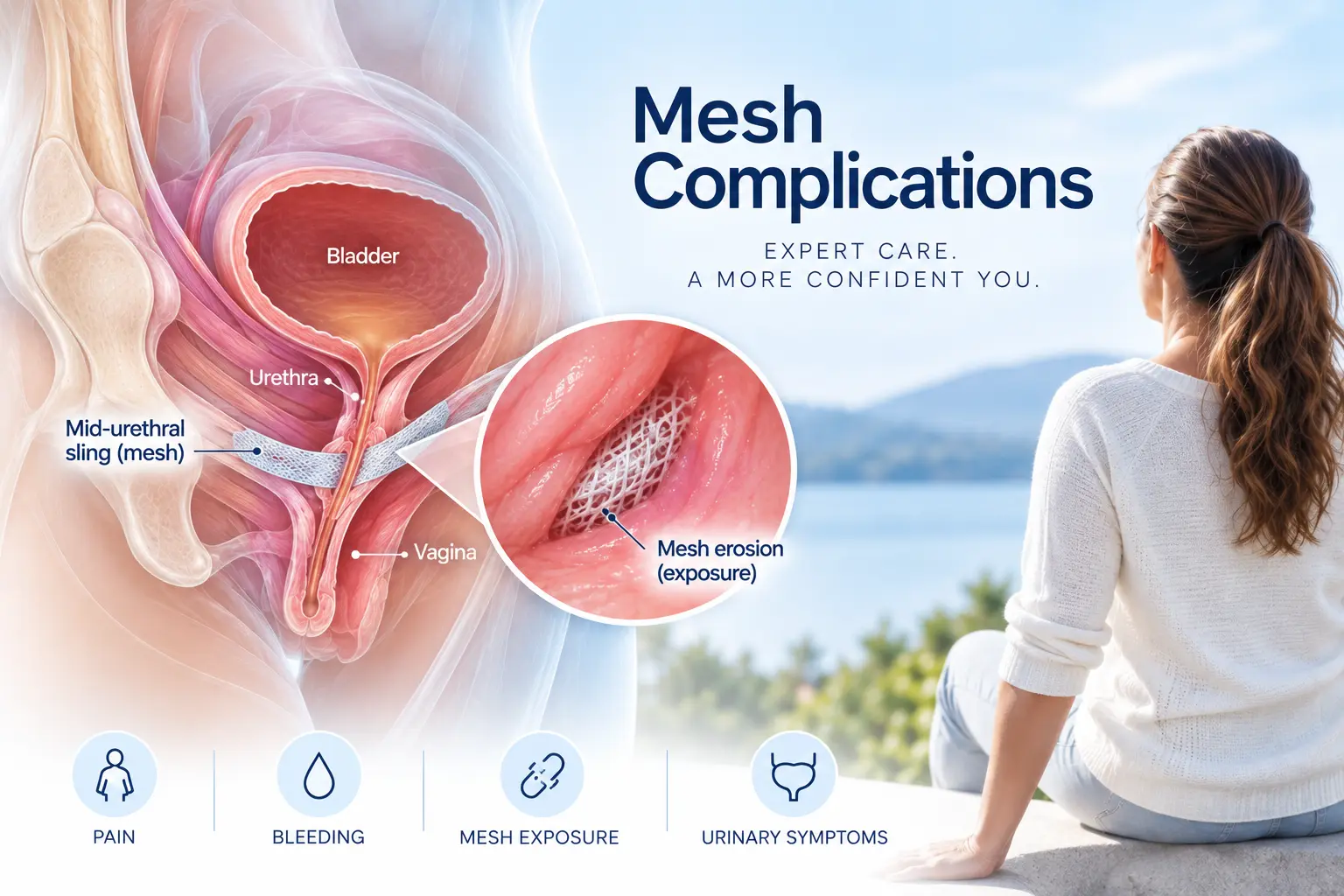
A mesh-related complication does not automatically mean complete mesh removal. Treatment is individualized according to symptoms, examination findings, anatomy, previous procedures, and patient goals. Female Sling / Continence Surgery Center of Excellence recognition.

Procedures & Treatments

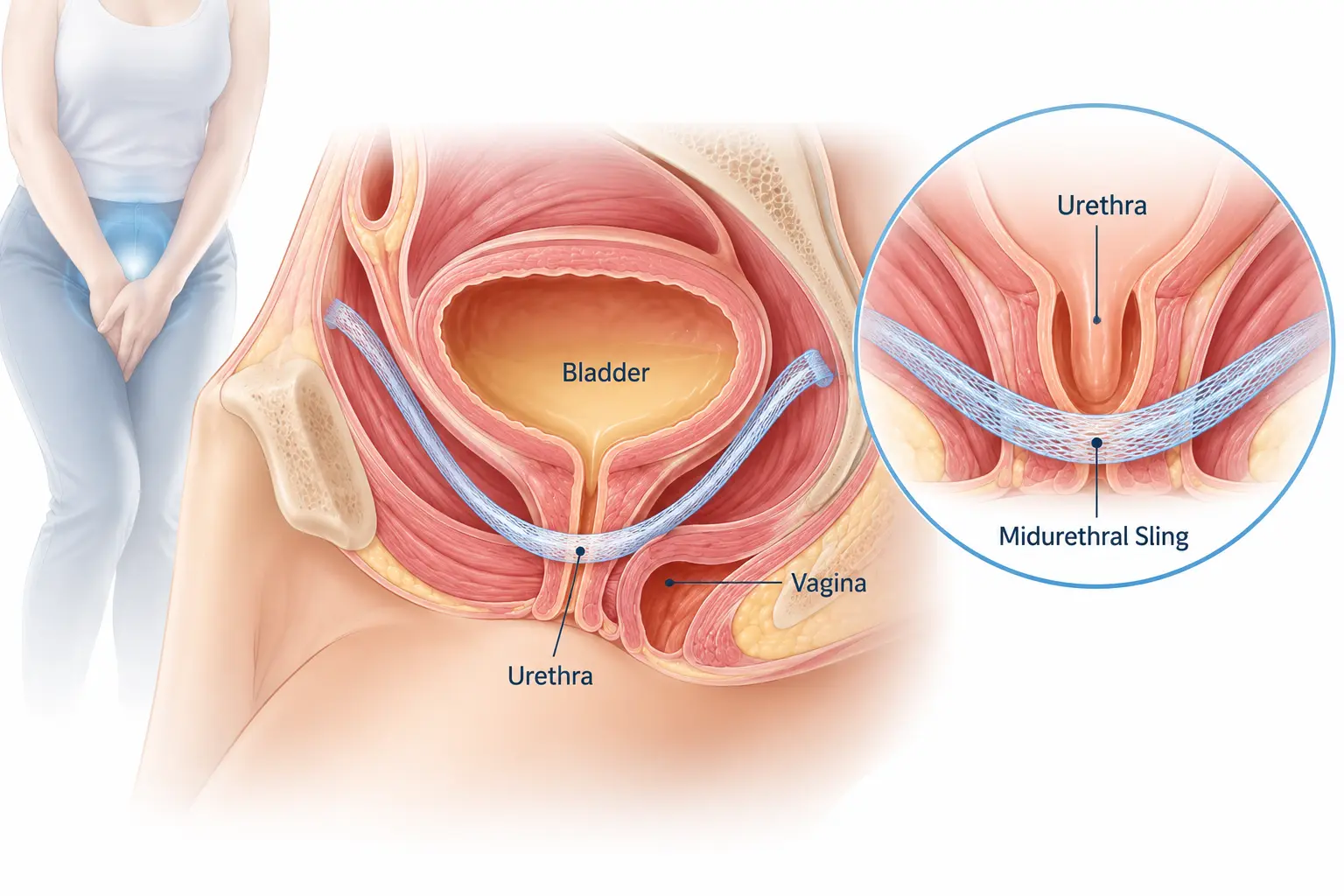
  • Midurethral sling (mesh)
  • Autologous fascial sling (non-mesh)
  • Urethral bulking agent injection
  • Evaluation and management of mesh-related complications
  • Mesh revision or excision when clinically appropriate
  • Persistent or recurrent stress urinary incontinence
  • Revision of previous continence surgery
  • Complex female continence and reconstructive surgery

A diagnosis does not automatically mean surgery. Conservative and non-surgical options are reviewed first whenever they can achieve your goals.

Restoring Comfort & Confidence

Dr. Bilal Farhan provides specialized care for women experiencing urinary incontinence, pelvic organ prolapse, overactive bladder, recurrent urinary tract infections, and other pelvic floor disorders. His approach combines advanced minimally invasive techniques with personalized treatment plans designed around each patient’s goals and lifestyle.

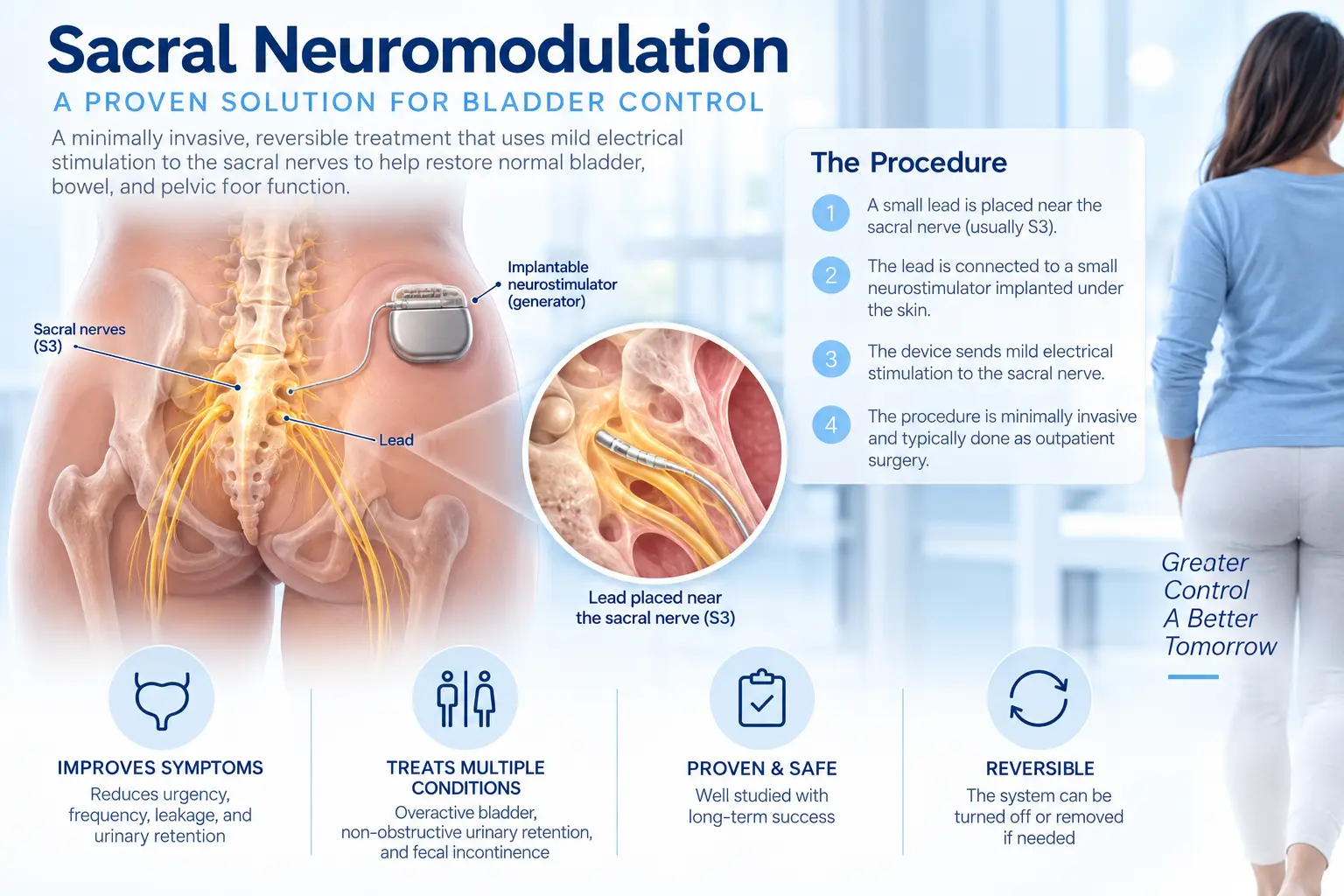
With fellowship training in female urology and pelvic reconstruction, Dr. Farhan offers both surgical and non-surgical options, including bladder Botox, sacral neuromodulation (InterStim/Axonics), female sling procedures, and pelvic organ prolapse repair.

Conditions Treated

  • Stress urinary incontinence
  • Urge urinary incontinence
  • Overactive bladder
  • Pelvic organ prolapse
  • Recurrent UTIs
  • Interstitial cystitis / bladder pain
  • Voiding dysfunction
  • Urethral stricture disease
  • Genitourinary fistula

Advanced Treatment Options

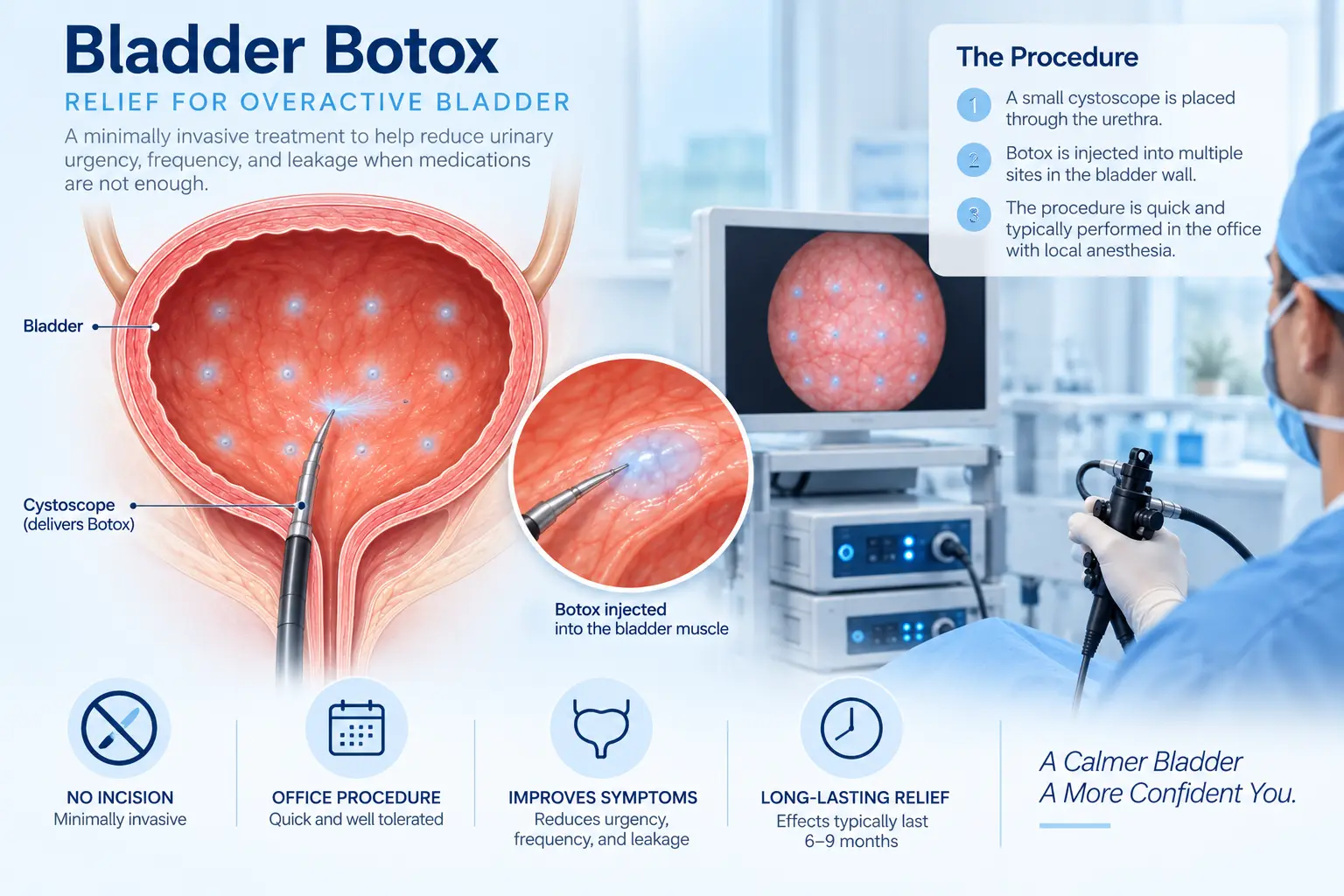
Bladder Botox

Injections to calm an overactive bladder and reduce urgency and leakage.

Sacral Neuromodulation

InterStim and Axonics therapies to help restore bladder control.

Female Sling Surgery

Mesh and non-mesh sling options for stress urinary incontinence.

Pelvic Organ Prolapse Repair

Reconstructive surgery to restore pelvic support and function.

Urethroplasty & Fistula Repair

Specialized reconstructive procedures for complex urethral and fistula conditions.

Robotic-Assisted Surgery

Minimally invasive techniques for faster recovery and less discomfort.

Procedure Gallery

Inside the Procedures

A closer look at the most common treatments Dr. Farhan performs for women, from in-office therapies to fellowship-level reconstructive surgery.

Bladder BotoxIn-Office Therapy

Bladder Botox

OnabotulinumtoxinA injected into the bladder wall calms involuntary contractions that drive urgency, frequency, and leakage when medications fall short.

  • Performed in office under local anesthesia
  • Typically 15-20 minutes
  • Effect generally lasts 6-9 months

Frequently Asked Questions

Do I need surgery for urinary incontinence?+

No. Most patients start with conservative care such as pelvic floor therapy, behavioral changes, or medication. Dr. Farhan only recommends procedures when less invasive options have not achieved your goals.

Is bladder Botox painful?+

The injections are done through a small cystoscope with local anesthetic in the office. Most patients describe mild pressure and return to normal activity the same day.

Will my insurance cover treatment?+

Most major plans accepted at CLS Health cover urologic evaluation and treatment, including Aetna, Blue Cross Blue Shield, Cigna, Humana, Medicare, and United Healthcare. Our team can verify benefits before your visit.

How do I schedule?+

Call 346-414-3426 or request a consult online. Dr. Farhan is accepting new patients at CLS Health Center for Advanced Urology in Southeast Houston and speaks both English and Arabic.